
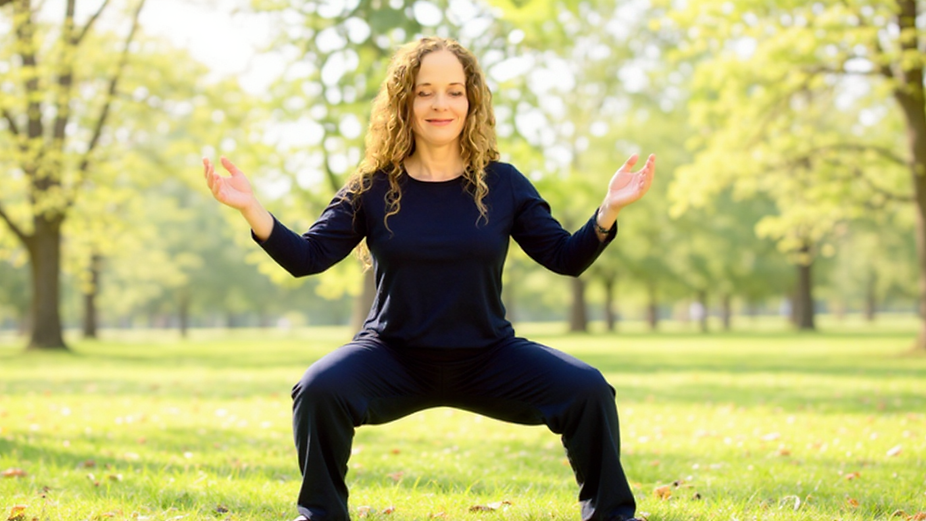
Embodied Movement & Nervous System Regulation
Gentle, body-led practices that support regulation, resilience, and restoration.
This work is not focused on performance or fitness. It is about listening to the body and restoring safety, rhythm, and balance through movement and breath.
WHY EMBODIED MOVEMENT MATTERS
When stress, trauma, or chronic health challenges are present, the nervous system often stays in a state of protection. No amount of willpower, mindset work, or “doing more” can override this. Regulation happens through the body.
Embodied movement offers a bottom-up pathway to calm the nervous system, restore internal rhythm, and support healing across hormones, digestion, sleep, mood, and energy. These practices meet the body where it is—without force, strain, or expectation.
THE PRACTICES
These practices help the nervous system settle by bringing the body back into coherence. These practices help regulate heart rate, blood pressure, stress and emotional overwhelm, fatigue and burnout, leading to emotional resilience, strength, flexibility,and more energy. Movements are adaptable, accessible, and guided by sensation—not appearance.


Somatic Movement
Somatic movement helps the nervous system settle by encouraging presence, choice, and responsiveness rather than control. Movements are adaptable, accessible, and guided by sensation—not appearance.
This work is especially supportive if you feel disconnected from your body, overwhelmed, or unsure how to “do movement” anymore.
Used to support:
-
Nervous system regulation
-
Stress and emotional overwhelm
-
Fatigue and burnout
-
Reconnection to bodily signals

Qigong, TaiChi, and Yoga Movement
Gentle, rhythmic movement traditions rooted in Eastern medicine that support circulation, balance, and internal harmony.
Qigong and Tai Chi–inspired practices coordinate breath, movement, and awareness to regulate the nervous system and support the flow of energy throughout the body. Movements are slow, intentional, and accessible—no experience required.
These practices are particularly supportive during hormonal transitions, periods of depletion, or when the body feels “stuck.”
Used to support:
-
Hormonal balance and energy regulation
-
Joint stiffness and tension
-
Emotional steadiness
-
Long-term resilience

Transformational Breathwork
What this is
Gentle, paced breath practices designed to support regulation rather than catharsis.
How it supports you
Breathwork is approached carefully and respectfully, with an emphasis on safety, choice, and nervous system readiness. Practices are grounding and supportive—not intense or overwhelming.
Breathwork may be integrated into movement sessions or offered as a standalone practice when appropriate.
Used to support:
-
Stress response regulation
-
Anxiety and emotional reactivity
-
Sleep and nervous system recovery
-
Greater capacity for rest and presence
Why These Practices Matter
These practices support the body in ways that extend beyond movement alone. By working with awareness, breath, and gentle strength, they help restore connection, resilience, and balance—supporting both physical wellbeing and emotional steadiness over time.

Emotional Balance & Hormonal Resilience

Strength, Flexibility & Metabolic Support

Increase Body Awareness and Nervous System Connection
How We Work With These Practices
1
One-on One Coaching
2
Small Group Classes
3
Supportive Self-Practice
Guidance
WHO THIS IS FOR
This May Be Supportive for You If....
-
You feel tense, disconnected, or overwhelmed in your body
-
Traditional exercise no longer feels supportive
-
You’re navigating hormonal changes, stress, or burnout
-
You want gentle, nervous-system-informed movement
-
You’re seeking practices that support healing and weightloss without force

Part of A Whole-Person Approach
Embodied movement and breathwork are not isolated tools—they are part of a broader, integrative approach to nervous system regulation, hormonal health, and whole-person wellbeing. These practices may be offered alongside coaching, nutrition support, herbal guidance, and other modalities, depending on your needs.
